Building knowledge
Take responsibility
Shaping the future
the better way research
Research with a purpose
We conduct research and provide consulting services to help build a future worth living. In the fields of mobility, energy and bioresources and construction industry, we develop solutions that safeguard our quality of life and conserve our resources—solutions that are scientifically sound, practical, and developed in collaboration with partners from industry, advocacy groups, the public sector, and academia.
As a nonprofit organization, we operate independently and with a clear focus on climate protection. We are driven not by profit, but by impact: research that benefits everyone – from basic research to implementation.
Our values
Social Responsibility
We conduct research for the benefit of people. We judge our projects by whether they provide real benefits to society and the environment.
Fairness, Transparency and Participation
We treat our partners as equals, make our processes transparent, and actively incorporate diverse perspectives.
Sustainability
Environmental, social, and economic – we take a long-term view and develop solutions that stand the test of time.
Diversity, Equity & Inclusion
For us, diversity is a hallmark of quality. Diverse perspectives and interdisciplinary approaches lead projects to success and make research relevant. (tbw research Equality Plan, German)
Scientific Integrity
Quality, independence, and integrity are the cornerstones of our work.
A closer look at our 3 departments
New Mobility
The Mobility department takes an interdisciplinary approach to the research, development, and implementation of innovative and integrated mobility solutions. In mobility research, demographic and gender aspects, as well as socioeconomics, form the foundation for forward-looking solutions alongside considerations of spatial structure. In doing so, we pursue the vision of smart cities, as well as zero-emission, intermodality, multimodality, and ITS (Intelligent Transportation Systems) in rural areas. Furthermore, transportation infrastructure assessments (economic, environmental, and social evaluations), location assessments (e.g., multimodal accessibility analyses), and strategic transportation planning provide the foundation for the implementation of innovative mobility solutions.
The Mobility Division is organized around the following key areas:
- Innovative, multimodal mobility solutions for everyone
- Logistics and Freight Transport
- Modeling and site assessments
- Focus on Electric Mobility
- Focus on Active Mobility
Energy and Bio-resources
The Energy & Bio-Resources department develops solutions for a sustainable, circular economy. Its focus is on the intelligent use of regional biogenic waste materials to create high-quality products, renewable energy sources, and climate-friendly alternatives to fossil fuels.
Our work lays the groundwork for a future in which resources are used efficiently, emissions are reduced, and regional economic growth is strengthened.
We are shaping the transition to a circular economy by:
- Innovative biorefinery concepts for the production of bio-based chemicals, fertilizers, and protein-rich animal feed
- Technologies for reducing emissions in agricultural production
- New methods for CO₂ capture and utilization to integrate renewable carbon into sustainable value chains
- Optimizing the use of biogenic byproducts that have previously gone unused or had to be disposed of
- Assessment of environmental, economic, and regional impacts to support informed decision-making
- Measures to improve the energy efficiency of buildings and the use of renewable energy in buildings and facilities
Our research and development projects are conducted on an interdisciplinary basis and in close collaboration with industry, agriculture, and academia. We place a particular emphasis on supporting innovative industry partners to ensure that new technologies are rapidly brought to market.
We cover the entire spectrum – from basic research and the development of industry-relevant technologies to the market launch of products ready for practical application. In this way, we combine scientific excellence with a strong practical focus and create solutions that are not only environmentally sound but also economically viable.
Construction Management & Innovation
The Construction and Innovation department at tbw research investigates how buildings and infrastructure can be constructed in a way that is more climate-neutral and resource-efficient – while also remaining economically viable – throughout their entire lifecycle. The focus is on lifecycle-oriented assessment models, analytical studies of construction processes, and innovative, collaborative delivery methods such as agile construction processes, alliance contracting, and AVVA approaches.
Research on lifecycle costs combines business management methods with an analysis of energy consumption, emissions, and resource use to support investment decisions that promote climate neutrality and economic efficiency. In addition, the study examines how temporal changes – such as construction times, service lives, or price trends – can be integrated into evaluation models, including the lm.vm approaches developed by Lechner.
A key focus in the construction industry is the analysis and evaluation of construction site overhead costs, particularly their traceable allocation and consideration in the event of changes to construction schedules and project timelines. In construction process analysis, execution processes are examined in detail using methods such as REFA surveys to optimize workflows, cycles, and interfaces; the insights gained are also incorporated into other areas of tbw research, such as mobility, energy, and infrastructure.
We are the better way research
Andreas Helbl
Angela Muth
Angelika Rauch
Claudia Sempoch
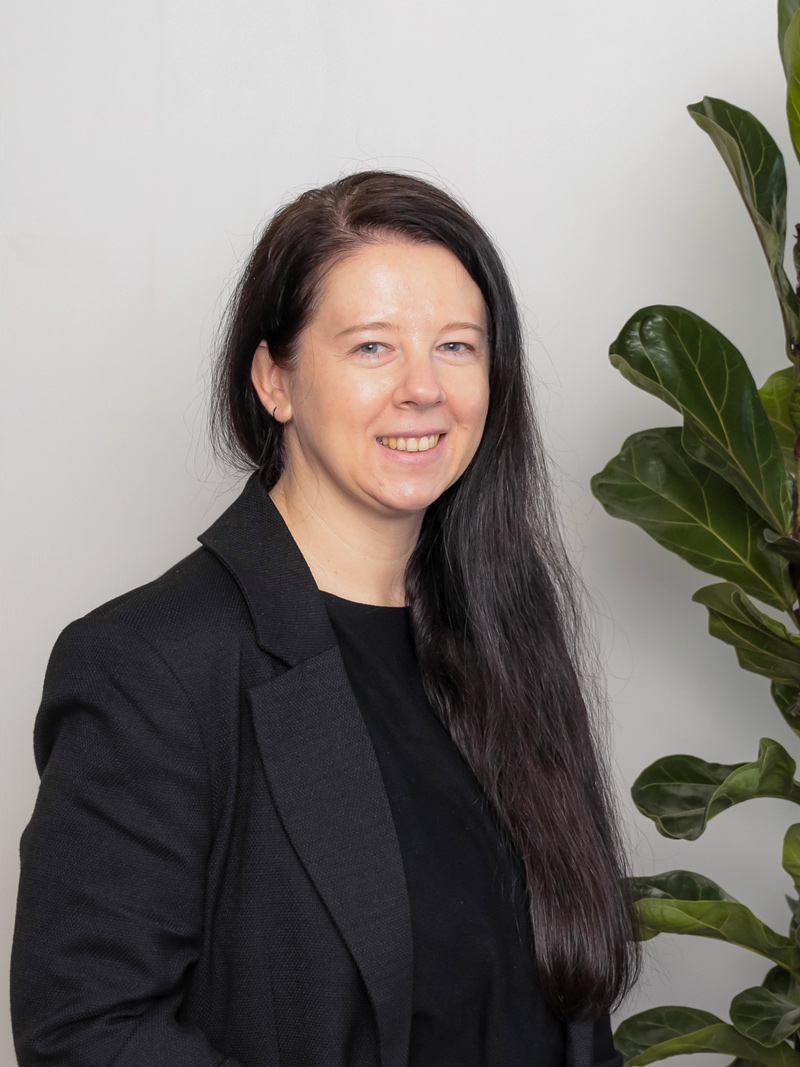
Clemens Raffler
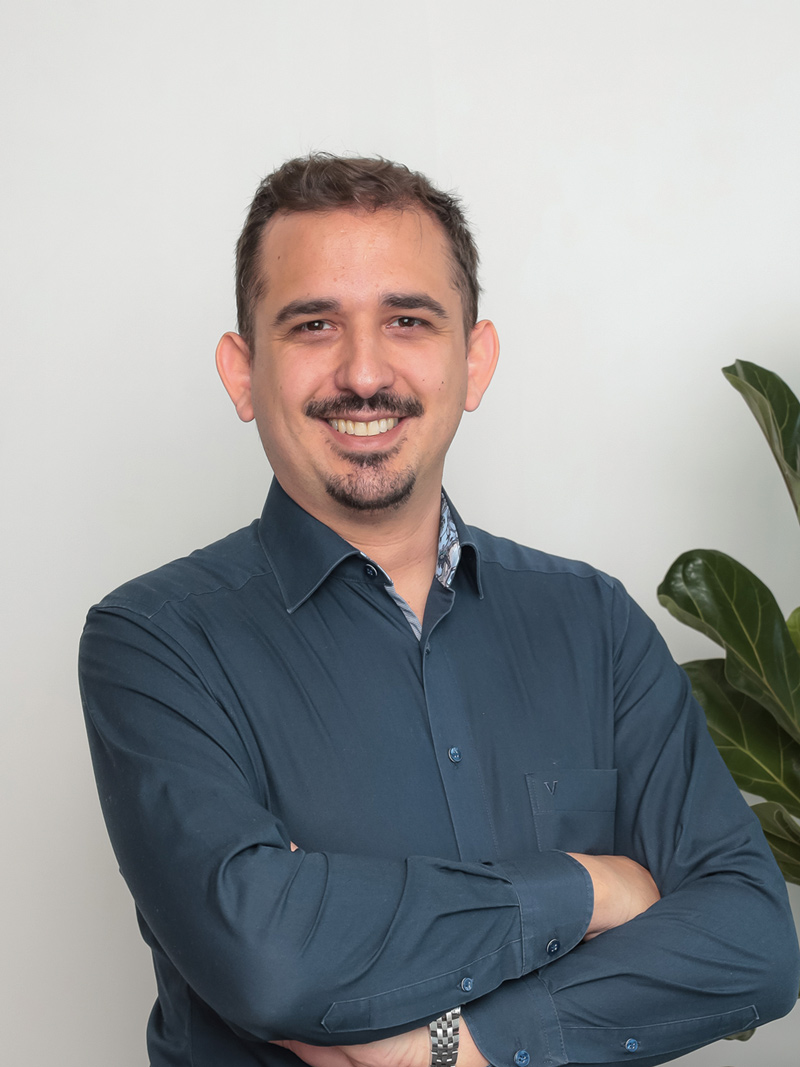
Dieter Schlagbauer
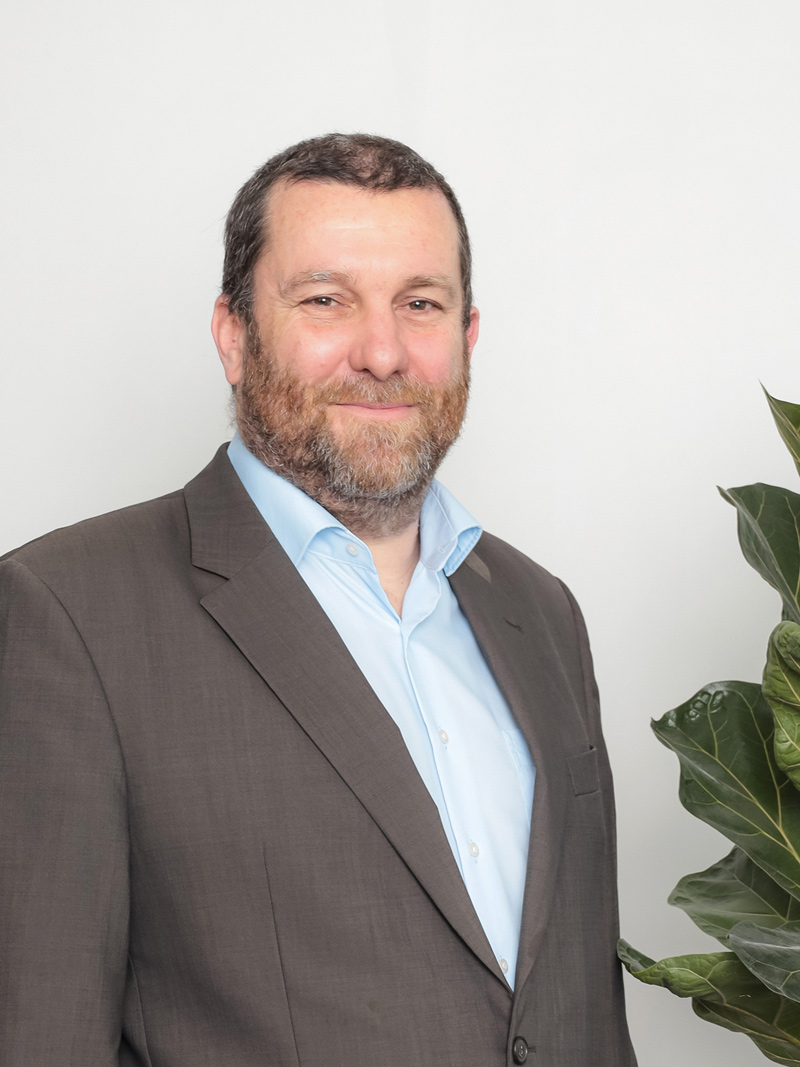
Florian Gattermayr
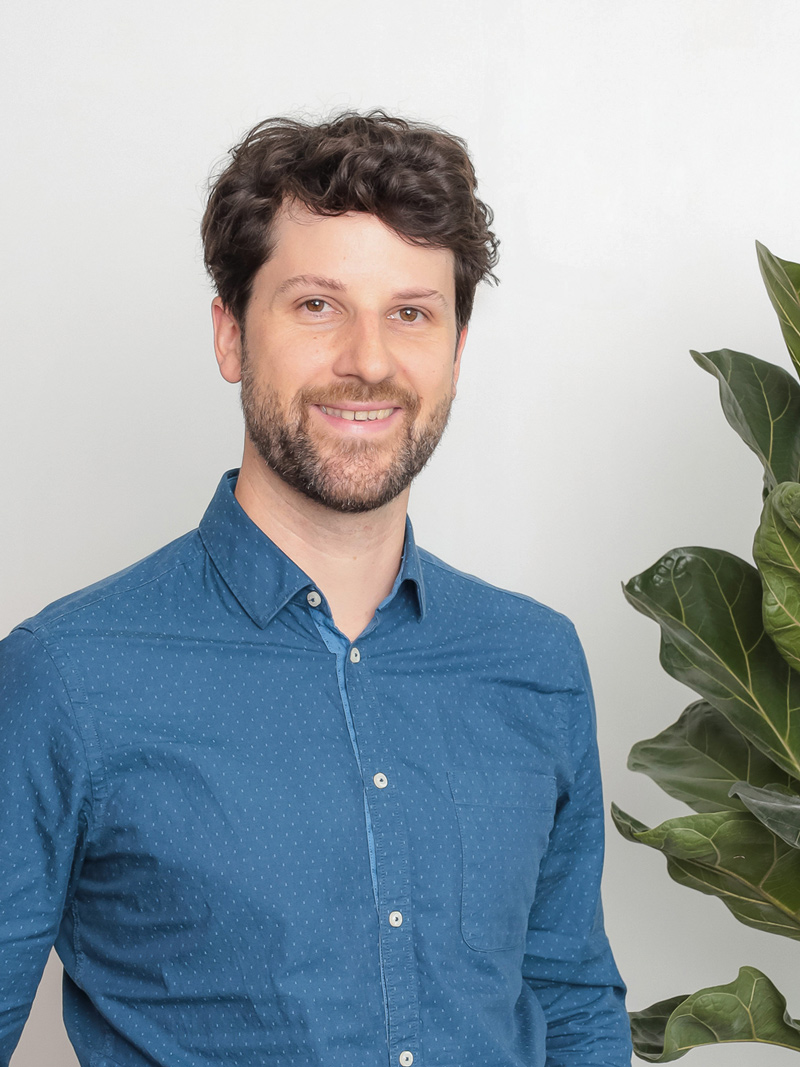
Gottfried Aufischer
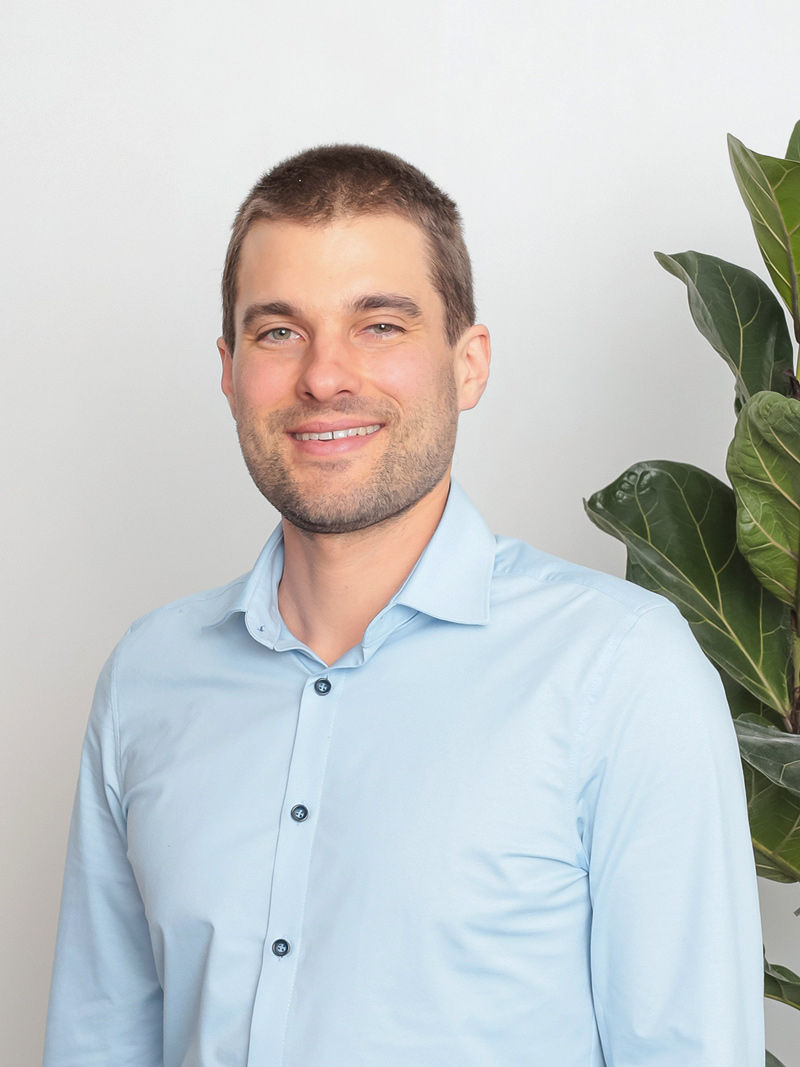
Julia Simhandl
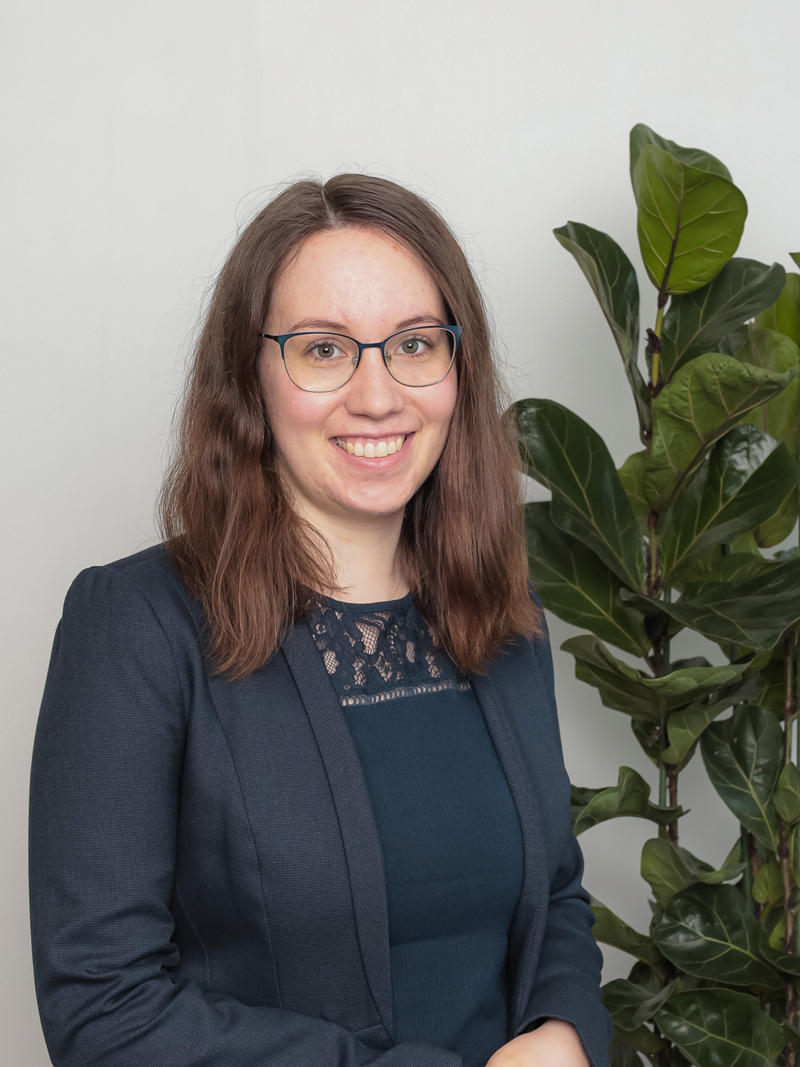
Julia Schmid
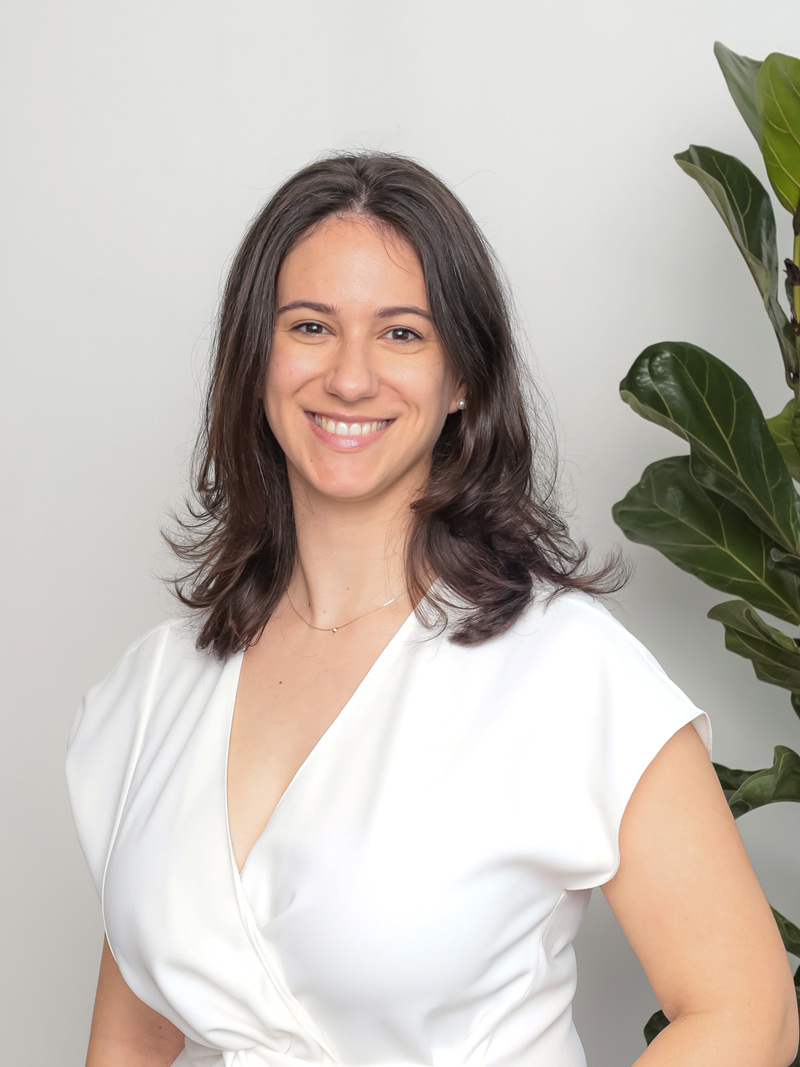
Konrad Gornik
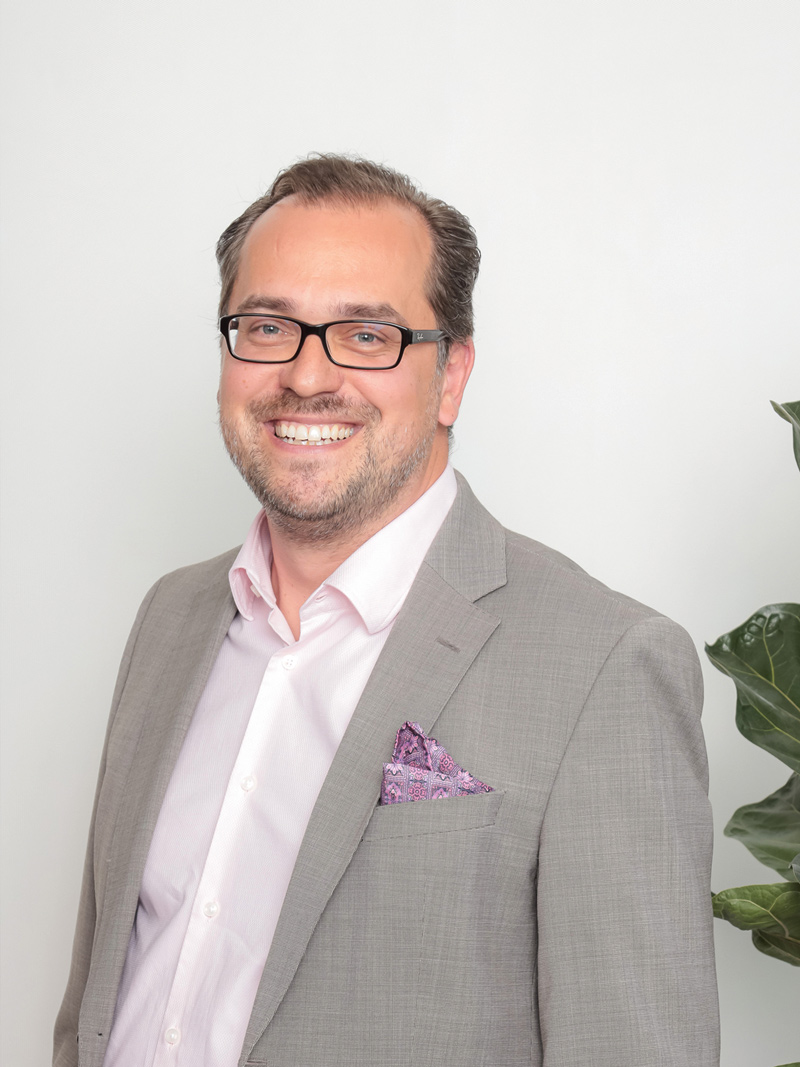
Marlene Doiber
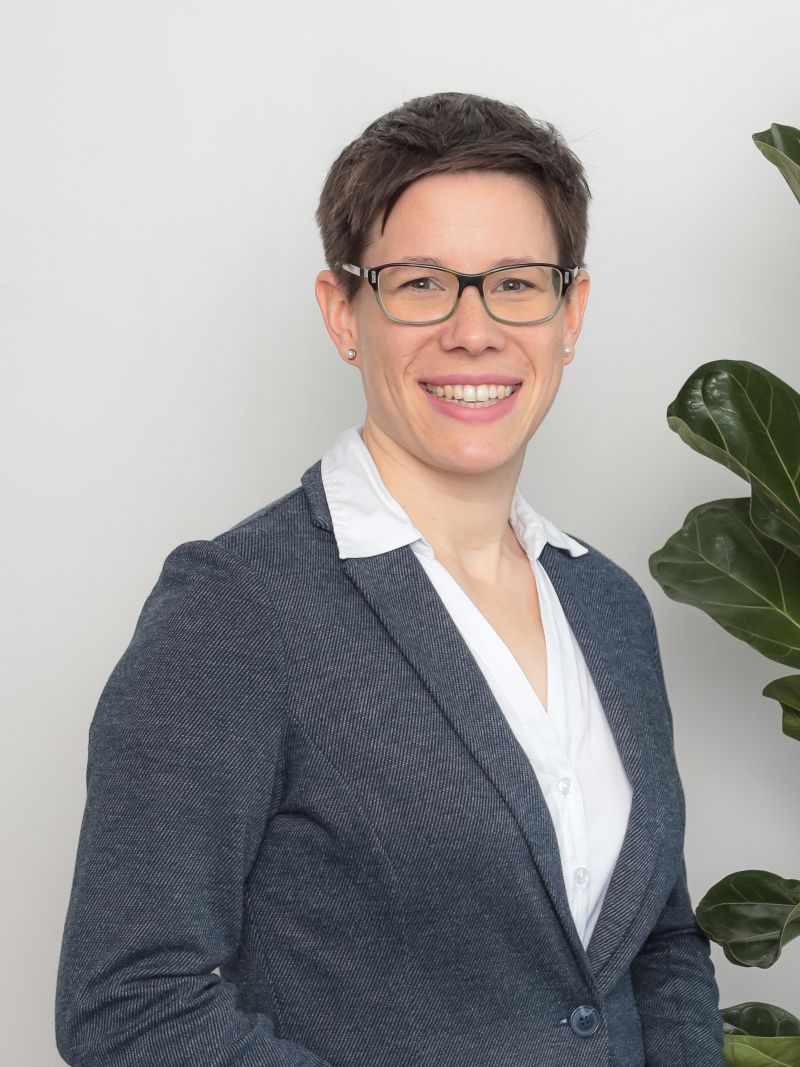
Michael Mandl
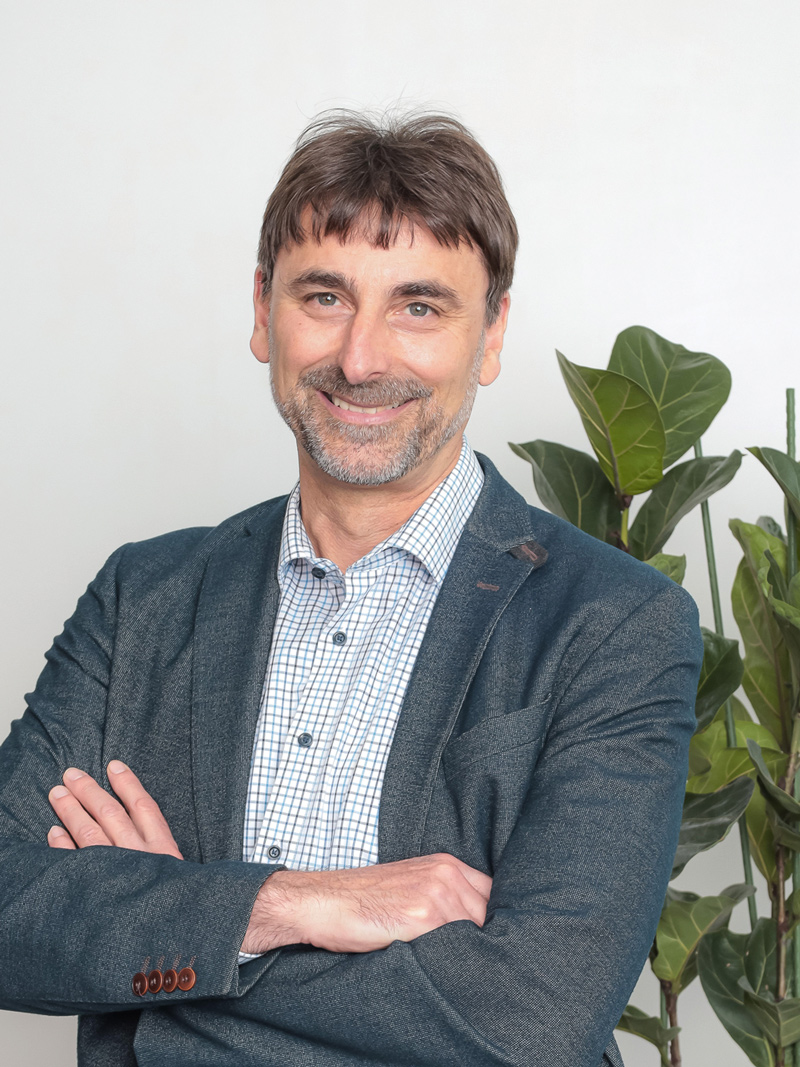
Peter Stipsitz
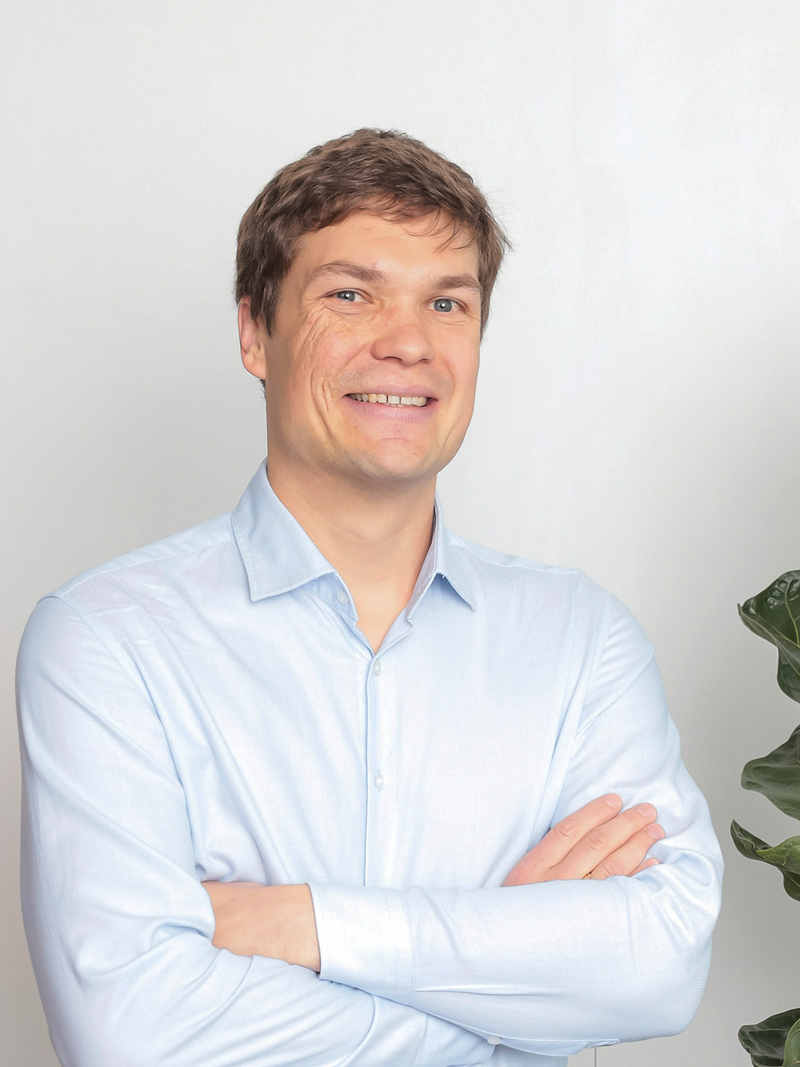
Roland Hackl
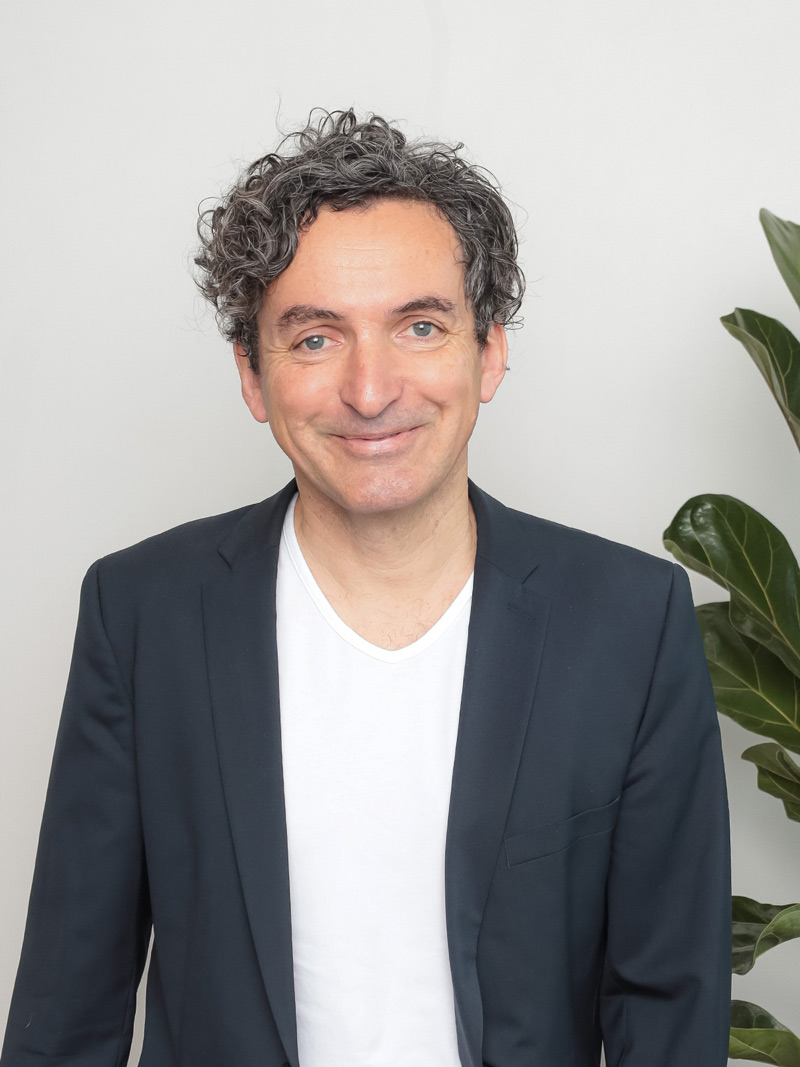
Sarah Prinz
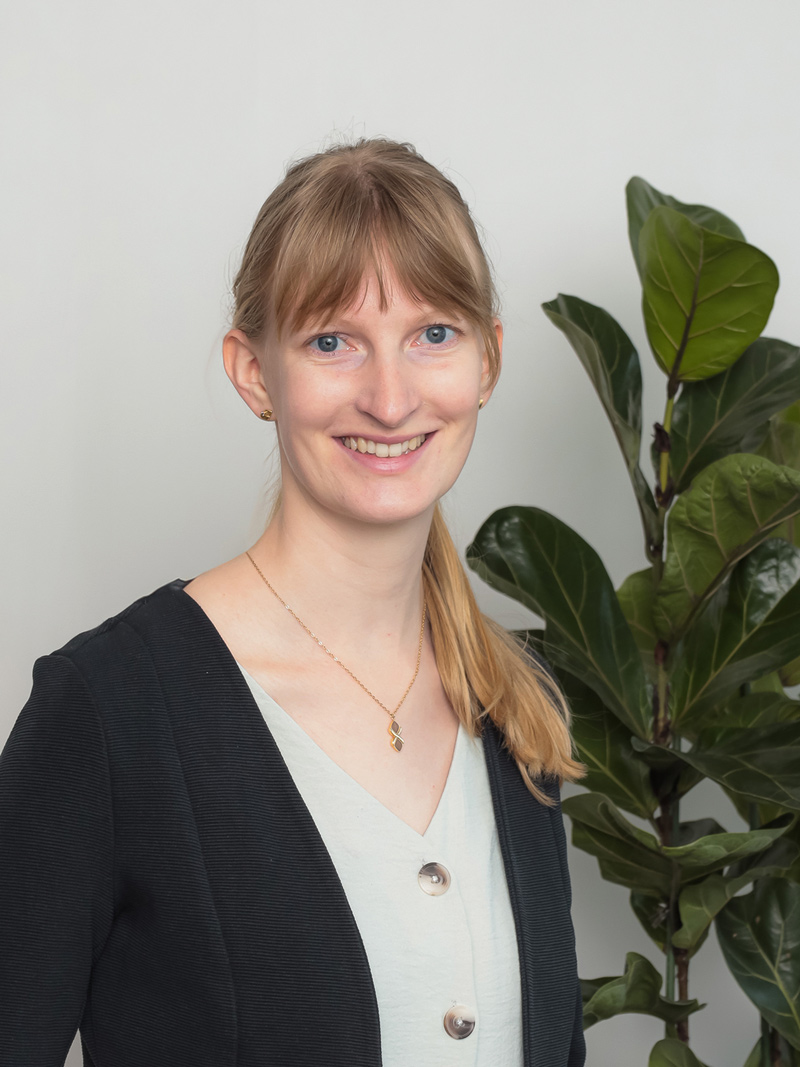
Sofia Nefidova
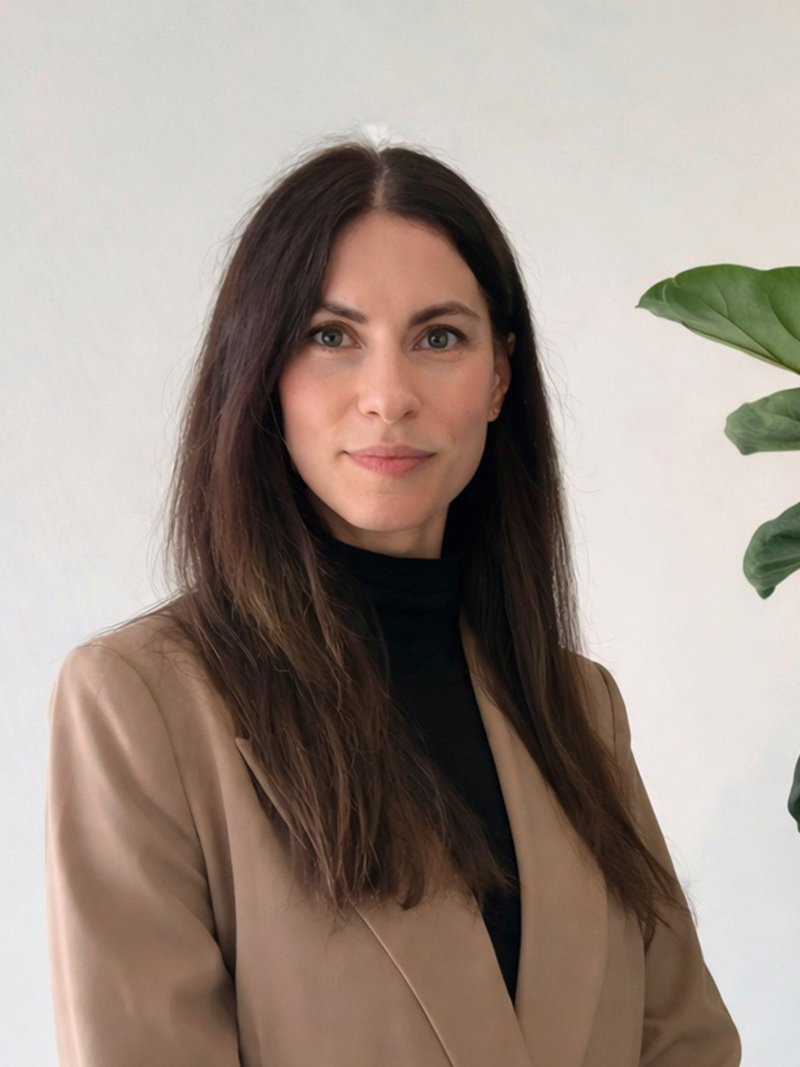
Stefanie Wong
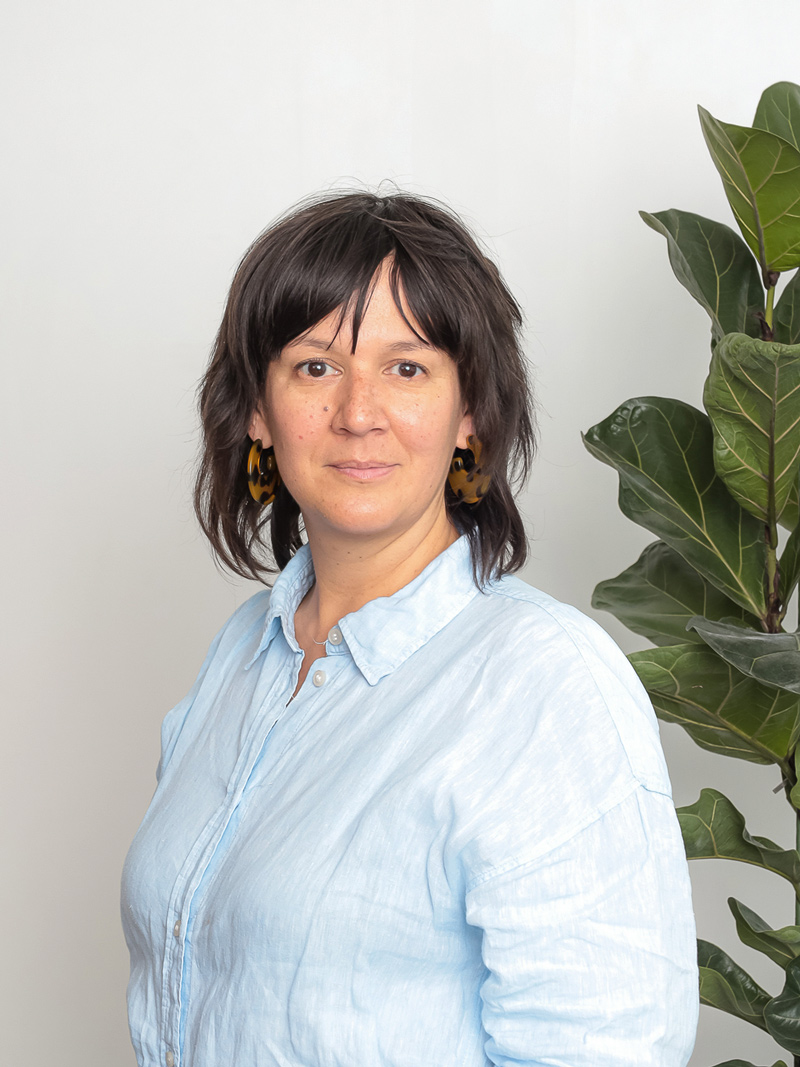
Wilhelm Reismann
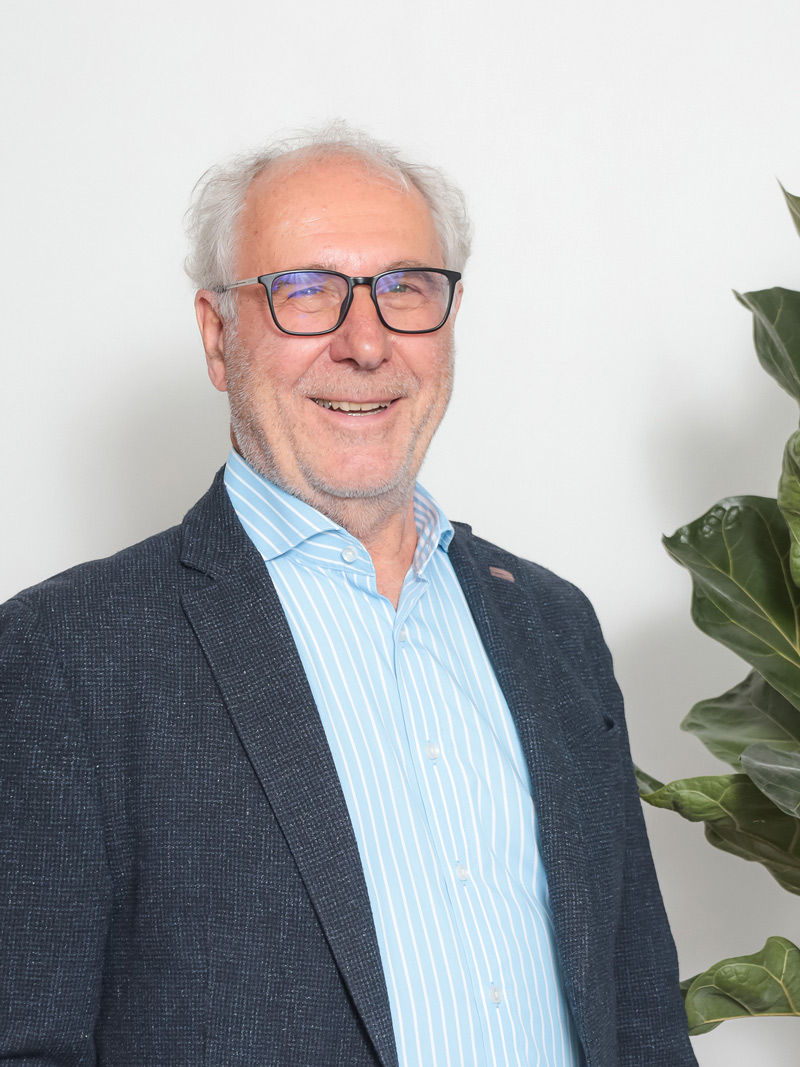
Work with us
We value teamwork, make decisions together, and embrace diversity – both internally and externally. And we believe that good work can and should be fun.
Join us: We currently have no open positions, but we welcome unsolicited applications.